
During the 18th Global Wellness Summit, integrated marketing agency FINN Partners released their report ‘The Future of Wellness Tourism 2025’, highlighting the trends shaping wellness tourism in 2025 and beyond.
According to the report, we are in a “golden age of wellness tourism” – the knowledge and demand for health, wellness, and longevity are at an all-time high. Although the travel industry ground to a standstill during the COVID-19 pandemic, the wellness movement has been flourishing and continues to have a profound impact on the post-pandemic travel industry.
The report also identifies upcoming wellness tourism hotspots – South Korea, Iceland, Japan, Saudi Arabia, and Italy – and emphasises the importance of evolving away from a sustainability mindset to one of regenerative wellness tourism.
As we say goodbye to the first half of the year, let’s take a look at the trends predicted by FINN Partners for 2025 and beyond:

Age Benders
Traditional generational demographics are going to lose relevancy. Baby Boomers in their sixties and seventies have the vitality of people half their ages, while Millennials and Gen Z are adopting healthier lifestyles much earlier than the generations before them.
These “age benders” are defined not by chronological age but by biological age, which manifests as behaviours and values that focus less on the actual process of ageing. Their priority is good health and longevity. Products and services need to cater to this mindset and focus on helping people to cultivate a holistic lifestyle.
An example of a product catering to the longevity lifestyle is the wearable health tracker Oura Ring, who in 2024 introduced Cardiovascular Age as a metric on the Oura App. By analysing data such as blood pressure and arterial stiffness, Oura is able to give an estimate of whether your heart health is aligned with your real age.
Oura is just one example of technology that appeals to the age benders, particularly the more tech savvy younger generations. Unlike generations before them, they’re health conscious and pursuing longevity early in their twenties, making health decisions and developing health-conscious habits backed by data.
The report predicts that the wellness tourism industry can cultivate a customer base that remains engaged throughout their lifespan by creating programmes that resonate with the aspirations and interests of these “age benders”.
Nomadism
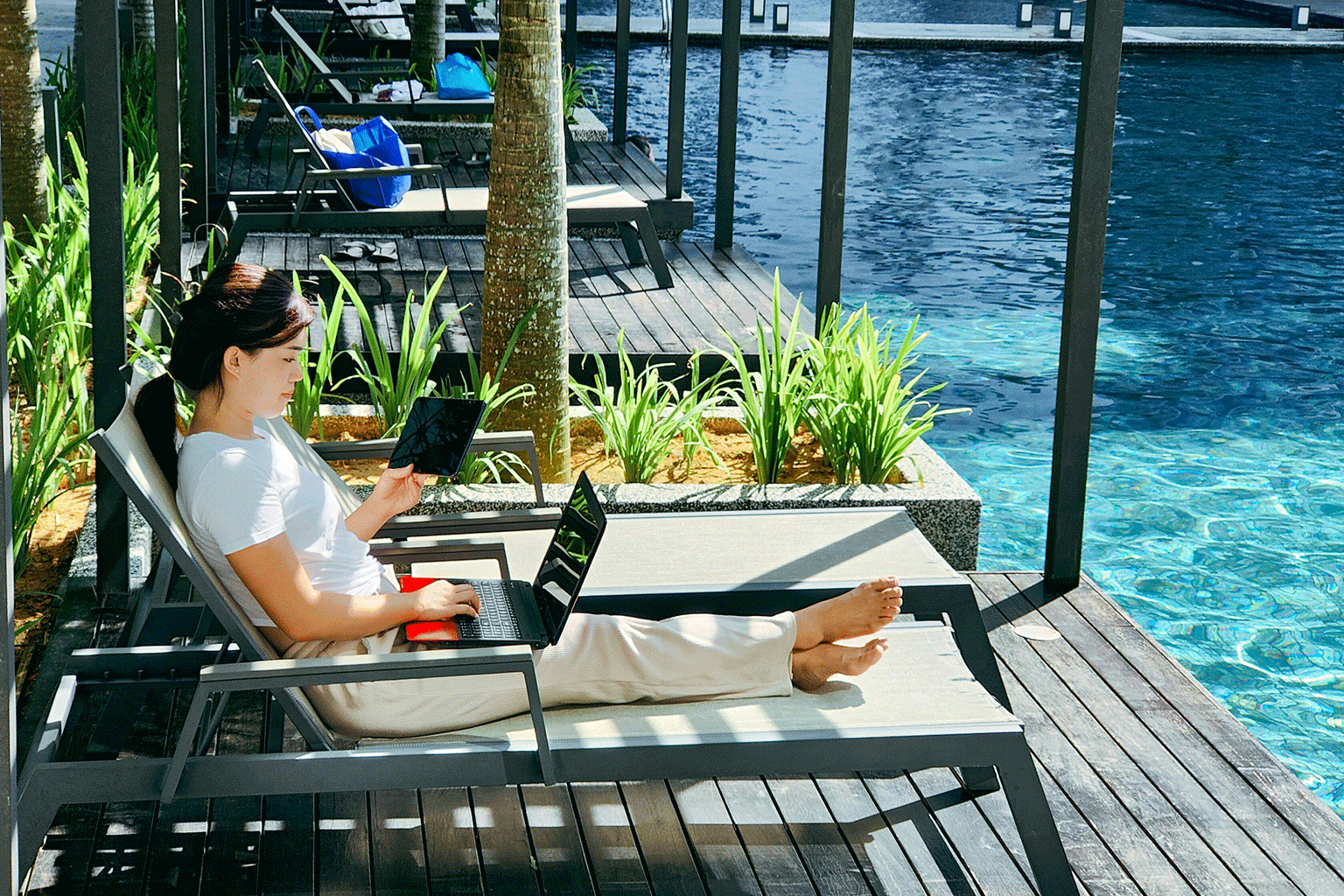
People are living longer than ever before. Data from the World Health Organisation indicates that 1.2 billion people will turn 60 this year, with the number expected to nearly double by 2050. With longer lifespans, more and more countries are pushing back the retirement age, leading “midlifers” to pursue alternative lifestyles such as nomadism.
This trend recognises that retirement age is no longer restrictive, with more people spending their senior years in pursuit of meaningful experiences. This presents opportunities for tourist destinations to rethink how wellness retreats and programmes are created, in order to encourage longer stays and residences.
The report identifies the wellness real estate market as being well-positioned to benefit from this trend. According to the Global Wellness Institute, the wellness real estate market is projected to grow from $438 billion in 2023 to $912 billion by 2028. The growth is primarily targeting buyers seeking nature and wellness amenities, but shared ownership and rental schemes could appeal to those seeking hybrid nomadic lifestyles.
Luxury resorts in the Maldives have the potential to benefit from this trend. Trailblazers such as Soneva have been offering Villa Ownership since 2011, although very few others currently have a real estate portfolio.
Women’s Health
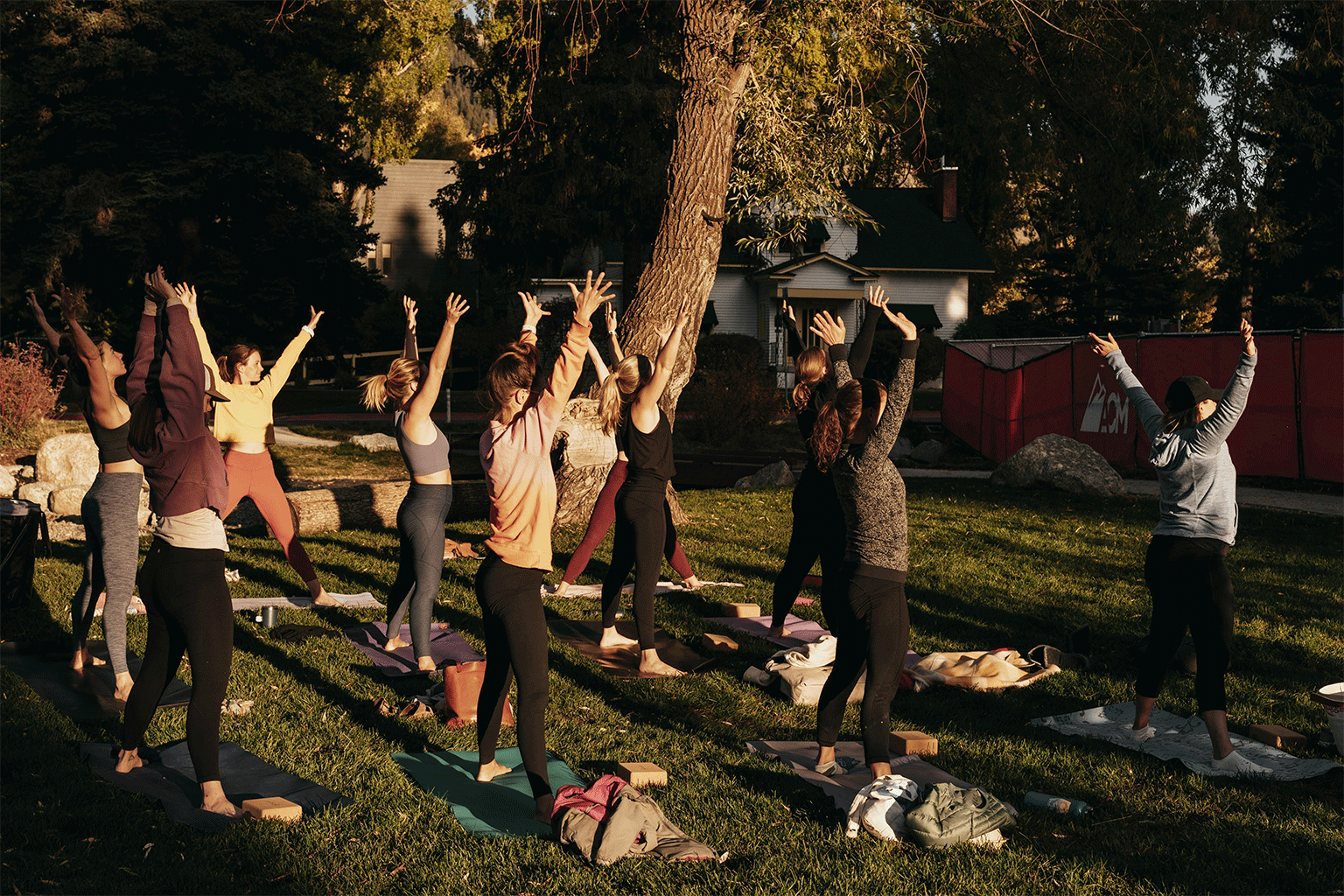
While a pillar of most wellness programmes, Women’s Health continues to be globally underserved and underfunded. The report identifies that the tide is slowly turning and points to the lengths women go to address their specific health concerns.
The publication highlights the opportunity for wellness tourism providers to work with gynaecologists and hormonal experts and even develop holistic programmes for women hoping to conceive. There is also rising interest in postpartum care centres, popular in countries like China and South Korea, where science-backed care and services such as breastfeeding coaching, newborn care, yoga, massages, counselling, and nutrition plans are provided. The report predicts that such facilities will combine with the luxurious amenities of hotels and are likely to emerge in more urban centres worldwide.
This trend also presents an opportunity to address topics previously considered taboo, such as menopause and sexual wellbeing. There is a growing trend of menopause retreats, which create safe spaces for women to connect in their shared experiences, such as the one hosted by ELE|NA Maldives earlier this month.

Sky High Wellness
Flying is generally considered the most stressful part of modern-day travel. From congested airports to jet lag, flying is not typically considered to be conducive to wellness. FINN Partners thinks this is going to change.
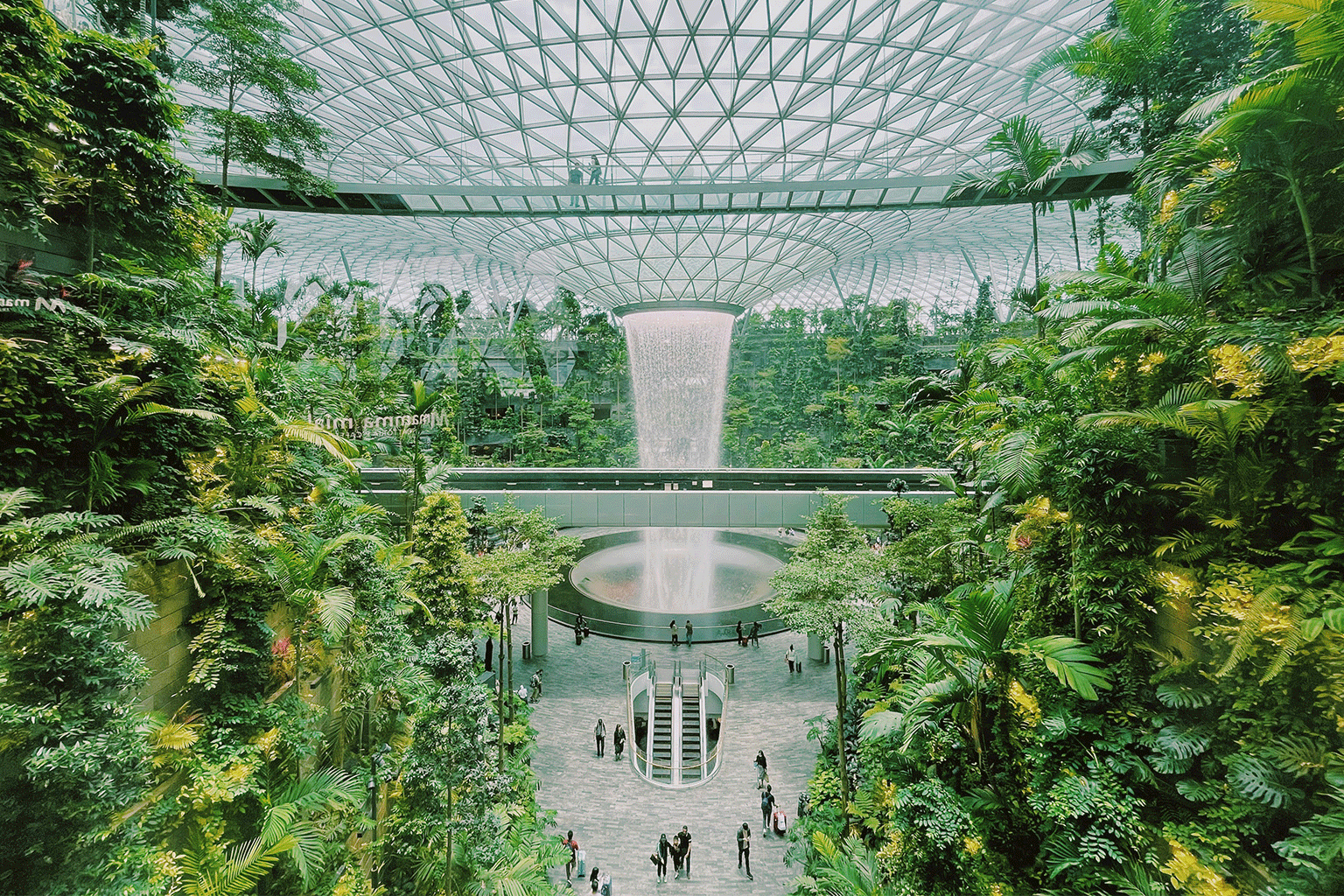
Airports are already incorporating wellness features and amenities, with Changi Airport in Singapore the undisputed leader in the field with their biophilic designs and soundscapes.
The report also highlights new initiatives carried out by airlines, such as Project Sunrise by Qantas – non-stop flights from Australia to London and New York, designed to overcome not only the immense distance in one hop but also the dreaded jet lag. The aircrafts, now due to launch in 2027, will allow customisable lighting, meals, and even seats to allow passengers to choose the time zone they want to adapt to. These flights will also include a Wellbeing Zone with stretch handles, on-screen exercise programmes, hydration stations, and healthy refreshments.
Hotels have an opportunity to jump on this trend too. In 2024, InterContinental Hotels & Resorts started offering complimentary access to Timeshifter, the pioneering jet lag-combatting app, to all their guests worldwide.
Nourishing Escapes
Culinary travel remains a fast-growing segment of tourism, and according to the publication, one that will become more influenced by wellness. While dining in travel is usually indulgent, a more holistic approach is now emerging with growing popularity in biodynamic menus, regenerative farming, and closed-loop ingredients.
The report goes on to predict some sub trends:
- Neural Nutrition: focusing on the connection between gut health and emotional wellbeing. Probiotic-rich and fibre-dense food and anti-inflammatory ingredients are already emerging staples in many wellness-focused culinary offerings
- Made for Me: personalisation will reach new heights. DNA tests will facilitate fully personalised menus, powered by AI, in order to address specific physiological and psychological needs.
- Culinary meditations: dining will become a sanctuary for self-reflection, with workshops focusing on more than just flavour. More properties will curate secluded and meditative spaces where diners can cultivate mindful dining habits.
- Dopamine Dining: dining out as therapy. Meals that elevate serotonin levels, and functional “mood foods” will become standard for diners to nourish both body and mind.
- Food as Self-Care: calming rooms with sensory-friendly features for neurodiverse patrons will become the norm. Empathy and inclusivity will be the cornerstones of dining experiences, with solo dining celebrated as a vital practice for self-care and reflection.

Thermal Springs
Thermal springs have attracted the development of settlements since ancient times. Money is now flowing back to these thermal areas due to growing interest in wellness tourism and nature-based experiences. Governments are investing in upgrading tourism facilities in regions like Kyushu, Japan or Vichy, France where a six-year, multimillion dollar modernisation effort is underway.
As thermal springs are usually located in rural areas, developing these areas also help to combat overtourism by directing visitors to areas less travelled. The report highlights how thermal springs have potential to deliver swift economic development to these rural communities, which taps into the philosophy of regenerative wellness tourism.
While natural thermal springs are having a revival, there is also growing interest in urban hydrotherapy experiences. Therme Group in Germany for example, is working on a project in Washington DC. Their goal is to bring economic opportunity to a marginalised neighbourhood while also cultivating an appreciation of the healing nature of water.
All photos: except main featured image, Unsplash.com