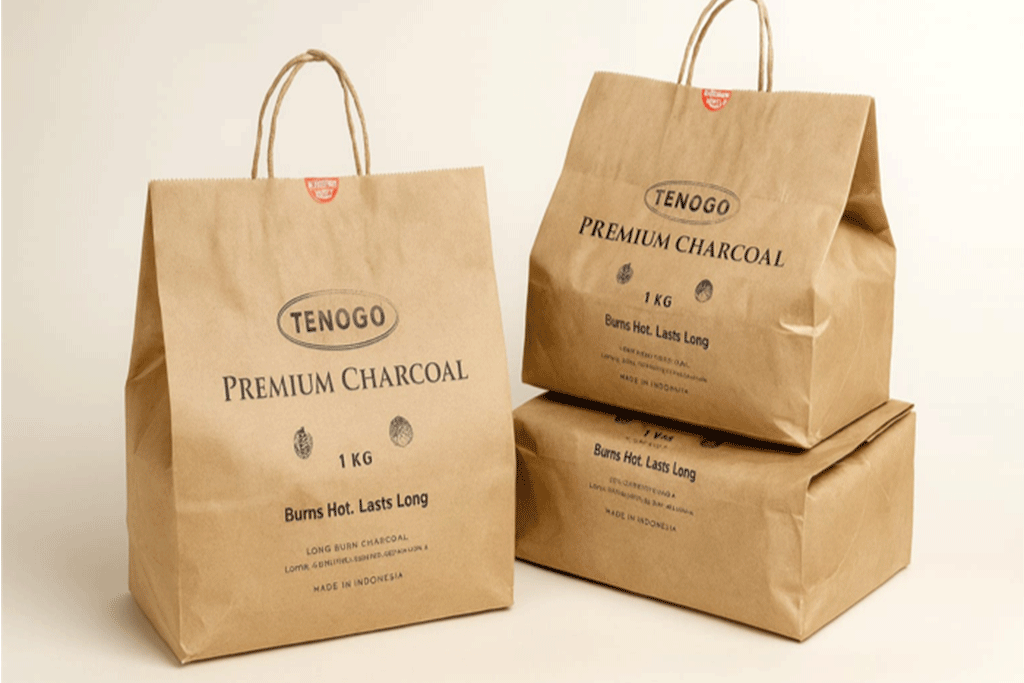
Charcoal is becoming increasingly important in the Maldives’ resort culinary scene, especially as grilling, beach barbecues, smoke-inspired menus, and open-fire cooking gain popularity. With guests seeking more interactive dining experiences—from live grill stations to seafood flame-finishes—many resorts are exploring alternatives to imported charcoal in search of higher quality, consistency, and lower environmental impact.
Tenogo, a Maldivian company built around circular-economy principles, is introducing a new option designed specifically for the hospitality sector: premium-grade charcoal produced through controlled pyrolysis, using only natural tree cuttings, branches, and garden waste sourced locally. The process is fired using used lubricating oil reclaimed from generators, machinery and boats—another waste material diverted from disposal. Together, these two waste streams are transformed into a clean, high- performing fuel suitable for professional kitchens.
Creating Value from Natural Waste
Across islands, regular landscaping, tree trimming, and garden maintenance generate significant volumes of organic waste. Traditionally, much of this material is burned or dumped into waste streams, where it decomposes slowly or contributes to unmanaged fires.
Tenogo collects untreated biomass—fallen branches, pruned trees, and garden residues. Specifically, construction timber or chemically treated wood, is never used, as these materials contain preservatives and additives unsuitable for charcoal production. By focusing only on natural green waste, both product purity and environmental safety are ensured.
To power the pyrolysis chambers, used lubricating oil is repurposed, which would otherwise be burned or discarded. This approach reduces environmental pressure on islands, turning waste into an energy source while creating a high-value product that supports local businesses.
What Makes Tenogo Charcoal Different?
For chefs and grill specialists, charcoal quality is measured by heat output, burn duration, ease of use, and how cleanly it performs. Charcoal made through pyrolysis offers a number of key benefits.
- High Heat Capacity: Pyrolysis produces charcoal with a higher carbon density than traditional pit methods. This results in more intense, stable heat—ideal for premium steaks, seafood, and high-temperature searing.
- Long, Even Burn: Tenogo charcoal burns slowly and evenly. Kitchens require fewer refills during busy service, and grill cooks gain better control over timing and temperature.
- Low Smoke and Minimal Sparking: Reduced volatile compounds mean significantly lower smoke, minimal popping, and fewer flare-ups. This is especially important for beachside service, show kitchens, and villas where guest comfort is key.
- Pure, Neutral Flavour: Because the feedstock is clean, untreated plant material, the charcoal burns without chemical residues or unpleasant aromas. Chefs can confidently grill delicate reef fish, lobster, or vegetables without introducing off-flavours.
- Consistent Size and Performance: Tenogo screens and grades each batch to ensure predictable ignition and heat behavior. This consistency is crucial for professional kitchens aiming for repeatable, premium results.
Supporting Maldivian Sustainability Goals
Sustainability is no longer an optional commitment in the hospitality sector—it is central to resort
identity and guest expectations. From energy use to waste management, resorts are actively looking for ways to reduce environmental impact and strengthen their local supply chains.
Tenogo charcoal directly supports these goals:
Locally Produced, Lower Emissions
Imported charcoal requires long-distance shipping, packaging, and transport, contributing to higher carbon footprints. Tenogo’s local production minimizes transport emissions and storage overheads.
Transforming Garden Waste into Value
Instead of burning or dumping organic waste, Tenogo turns natural biomass into a high- value cooking fuel. This reduces island waste volumes and supports cleaner waste management practices.
A Responsible Use of Used Lubricating Oil
By using used oil as the heat source for pyrolysis, Tenogo reduces improper disposal and create a controlled, efficient use-case for a difficult waste stream.
Cleaner Combustion in Kitchens and Outdoor Spaces
Low-smoke charcoal improves air quality and enhances guest comfort—particularly in dining venues where the cooking experience is part of the atmosphere.
Strengthening the Resort Supply Chain
The Maldives’ dependence on imports makes resort operations vulnerable to global disruptions, long lead times, and fluctuating shipping costs. Charcoal is no exception. Local production provides a more stable, reliable alternative.
Tenogo’s continuous production ensures:
- Consistent availability year-round
- More predictable pricing
- Faster fulfilment without overseas delays
- Reduced dependency on foreign supply chains
Resorts benefit from efficiency, cost stability, and the assurance that they are supporting Maldivian industry.
Designed With Chefs, For Chefs
Tenogo works closely with grill chefs, executive sous chefs, and F&B teams to refine their product. The insights generated through this process shape the company’s quality standards and batch testing. As a result, Tenogo charcoal delivers the performance required for:
- High-heat searing
- Slow grilling
- Smoked dishes
- Outdoor barbecues
- Beach and event cooking
- Villa experiences
Chefs gain reliable heat, less smoke, and a cleaner burn—allowing food quality to shine through while reducing hassle during peak service.
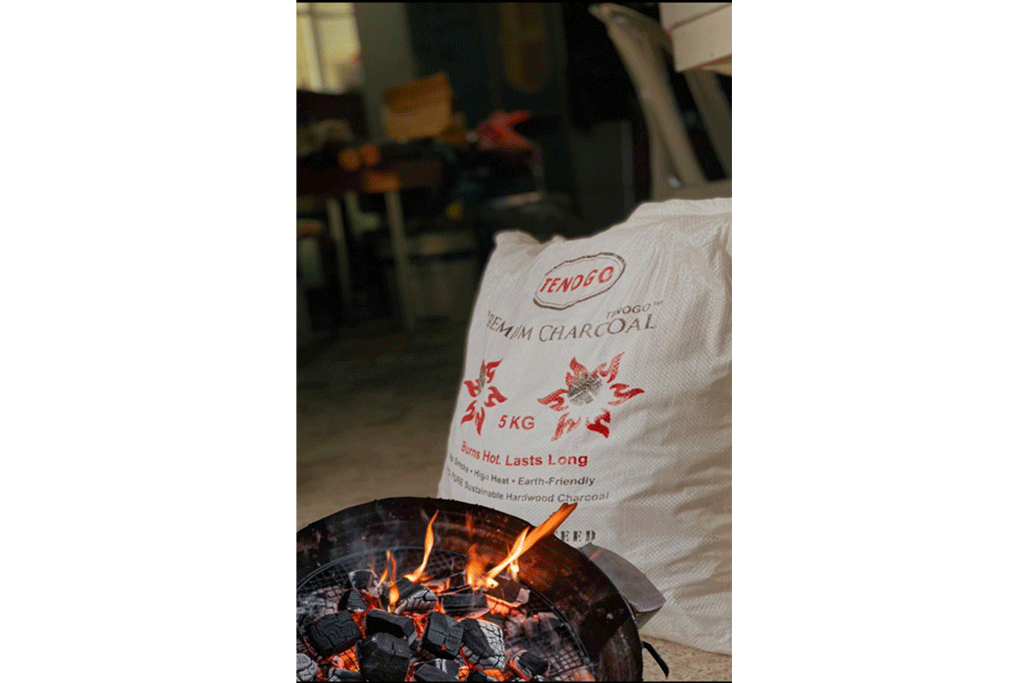
A Local Innovation for a Sustainable Future
The Maldives faces unique environmental challenges, particularly around waste management and resource utilization. Tenogo charcoal is a practical example of how small-scale innovation can support the hospitality sector while addressing these challenges.
By choosing a locally made, high-performing charcoal that upcycles natural waste and reuses difficult materials like used oil, resorts can make a meaningful contribution to sustainability while enhancing their culinary operations.
Briquettes vs. Lump Charcoal: What Resort Kitchens Need to Know
Charcoal Briquettes
- Composition: Made from compressed charcoal fines mixed with binders, fillers, and sometimes additives.
- Ignition: Slower to light; may produce more smoke during startup.
- Heat Output: Burns at a lower, more uniform temperature—suitable for basic grilling but limited for high-heat searing.
- Burn Time: Generally shorter; requires more frequent refilling during long service.
- Residue: Produces more ash due to fillers, affecting airflow and requiring more cleanup.
- Sustainability: Often imported long distances with limited visibility into wood sources.
Lump Charcoal (Pyrolysis Charcoal)
- Composition: Pure charcoal made from natural wood with no additives or chemicals.
- Ignition: Lights quickly and reaches cooking temperature faster.
- Heat Output: Higher temperatures ideal for steaks, seafood, and professional grilling. • Burn Time: Longer, more efficient burn suitable for extended service.
- Residue: Produces significantly less ash, improving grill performance and reducing maintenance.
- Sustainability: Locally made from natural garden waste; supports circular waste management and reduces transport emissions.
Bottom Line: Briquettes offer convenience and uniform shape, but lump charcoal delivers superior heat, cleaner performance, and stronger sustainability benefits— making it the preferred choice for professional resort kitchens.
Tenogo is giving away 10 sample kits for resorts and other hospitality establishments interested in testing this new environmentally friendly local product. To place your order, please call +960 7353008 or email marketing@softatoll.com with the words Tenogo Charcoal in the subject line;.
Tenogo invites resort managers, chefs, and procurement teams to explore Tenogo’s charcoal as a cleaner, smarter, and more sustainable alternative—crafted for the Maldives and its evolving culinary landscape.
For technical specifications, or supply arrangements, Tenogo is ready to support your resort’s needs.